Flatfoot looks simple from the outside, a fallen arch and a foot that leans inward. Inside the foot, it is a complex interplay between bones, ligaments, and tendons that have lost their coordinated tension. As a podiatric reconstructive surgeon, I have seen how this condition creeps up over years, how it steals endurance before it steals distance, and how the best results come from tailoring treatment to the precise failure points in each patient’s anatomy. The goal is not just to lift an arch, but to restore a foot that works with a person’s lifestyle, body type, and long-term goals.
What “flatfoot” really means
Flatfoot is not one disease. It is a spectrum of deformities that share a visible theme, the arch has collapsed, the heel has shifted, and the forefoot often abducts. In adults, the most common pattern is acquired flatfoot due to posterior tibial tendon dysfunction. That tendon is the primary inverter and dynamic arch support on the inside of the ankle. When it weakens or tears, the supporting ligaments and spring ligament start to stretch, the subtalar joint unlocks, and the cascade begins. In children and adolescents, a flexible flatfoot often results from ligamentous laxity and usually responds to conservative care unless it is rigid or painful. Traumatic causes, neurologic disorders, and inflammatory arthritis can also flatten the foot.
When I evaluate a patient, I think in terms of failure zones. Is the tendon failing? Are the ligaments attenuated? Has the bone alignment drifted so far that the soft tissues cannot recover? The answers guide both nonoperative care and surgical sequencing.
How it feels before it looks obvious
Most people with adult acquired flatfoot start with inside ankle pain after long walks or standing. Shoe wear changes, the back of the heel tilts outward, and the front of the foot points a bit outward too. The arch looks lower than the other side. Some patients describe a feeling that the ankle is collapsing inward. Over time, the outside of the ankle may hurt as the calcaneofibular region gets pinched, and the peroneal tendons can become overloaded. If the deformity becomes rigid, a patient can feel stuck in an outward-turned foot with less and less tolerance for activity.
I listen for the story of fatigue and progressive loss of push-off strength. People often tell me they have stopped hiking hills or carrying loads up stairs because the inside of the ankle burns. That is the posterior tibial tendon telling us it needs help.
A practical diagnostic approach
The physical exam matters as much as any scan. Standing alignment tells a lot. I look from behind to see how much heel valgus is present and how many toes are visible laterally, the “too many toes” sign. I test single-leg heel rises. A patient who cannot perform a single-leg heel rise on the affected side likely has significant posterior tibial tendon dysfunction. I assess flexibility by manually correcting the heel and forefoot. If the deformity corrects with gentle pressure, there is flexibility to work with. If not, the hindfoot may be rigid from arthritis or coalition.
Imaging validates what we see and feel. Weight-bearing foot and ankle radiographs show the relationships between the talus, calcaneus, navicular, and first metatarsal. I study Meary’s angle on the lateral view, talonavicular coverage on the AP view, and calcaneal pitch. If a patient has significant tenderness over the posterior tibial tendon or peroneals, ultrasound or MRI can quantify tendon quality and partial tears. CT is useful when I suspect subtalar arthritis or coalition.
This kind of comprehensive assessment is standard for a foot and ankle specialist or podiatric surgeon, and it helps predict which nonoperative measures have a chance and which surgical steps will be needed.
When surgery is not the first answer
Not every flatfoot needs an operation. A podiatrist, orthopedic foot doctor, or foot and ankle physician will usually start with clinical staging and conservative care. Good orthoses can offload the posterior tibial tendon and support the medial arch. I prefer custom devices with a deep heel cup and medial posting for Stage I to early Stage II cases. Proper footwear matters, too, supportive trainers or hiking shoes with a rigid counter and midfoot stability.
Physical therapy helps if the deformity is flexible and the tendon retains some function. We target posterior tibial tendon recruitment, intrinsic foot strength, calf flexibility, and hip abductor control. Patients often feel progress within six to eight weeks if the tendon is not severely degenerated. Bracing, such as an ankle-foot orthosis, can help older patients or those not pursuing surgery.
Beyond symptom control, these measures teach us how the foot behaves when aligned. If an orthosis relieves pain and restores endurance, that information refines surgical planning should we need it later.
Understanding staging and timing
Surgeons use clinical staging to map interventions. While labels vary, a practical approach is:
- Stage I, tendon irritation without deformity. Pain with activity, tendon tenderness, but alignment is preserved and heel rise is possible. Nonoperative care works in most cases. Stage II, flexible deformity. The arch has collapsed, the heel is in valgus, and the forefoot is abducted, but the joints remain correctable manually. This is the classic flatfoot that benefits most from reconstruction if conservative care fails. Stage III, rigid deformity with arthritis. The subtalar and sometimes transverse tarsal joints are stiff, with limited correction. Reconstruction often requires fusion procedures. Stage IV, ankle involvement. The deltoid ligament has stretched and the talus tilts in the ankle mortise. Ankle stability becomes part of the plan.
A foot and ankle surgery specialist will match procedure selection to the stage and to the exact contributor, tendon quality, ligament status, joint health, and bony alignment. Operating too late makes reconstruction harder and may shift the discussion toward fusion. Operating too early can overtreat a tendon that might have recovered with structured care. The line is judgment, shaped by function, pain, and patient goals.
What reconstruction actually involves
People imagine “rebuilding an arch,” but reconstruction is better described as restoring relationships in three planes: heel position under the leg, midfoot stability medially, and forefoot alignment with the rearfoot. In a flexible flatfoot, the most common set of procedures includes:
- Calcaneal osteotomy. Shifting the heel bone medially corrects valgus and re-centers the Achilles vector. I use a slide osteotomy in many Stage II cases. For significant forefoot abduction, an Evans lateral column lengthening helps restore talonavicular coverage. Choosing one or both depends on how the foot looks when manually corrected. Medial column support. If the first ray is unstable or the medial column sags, a fusion of the first tarsometatarsal joint or the naviculocuneiform joint can stabilize the arch. I select the level based on where collapse persists after heel correction. Tendon reconstruction. When the posterior tibial tendon is irreparable, a flexor digitorum longus transfer provides power to the medial column. It is not about brute strength. It is about restoring a dynamic sling in concert with the osteotomies. Spring ligament and deltoid support. If the spring ligament is attenuated, I repair or reinforce it. Severe forefoot abduction sometimes mandates more substantial medial soft tissue work. In Stage IV, deltoid reconstruction or ankle procedures may be necessary.
A foot and ankle reconstruction surgeon assembles these elements like a scaffold, addressing each plane and structure that fails. The best operations are not single tricks. They are balanced corrections that help the foot move naturally again.
When fusion is the right tool
If the joints are arthritic or the deformity is rigid, it is safer to create a stable platform with fusion. A triple arthrodesis fuses the subtalar, talonavicular, and calcaneocuboid joints, correcting alignment and relieving arthritic pain. It sacrifices some motion, but for a foot that no longer moves cleanly, motion can be less valuable than stability. Alternatively, selective fusion of two joints may suffice if one remains preserved. In my experience, patients who arrive with a rigid, painful flatfoot and significant degeneration often do better, and more predictably, with a well-aligned fusion than with a heroic soft tissue and osteotomy attempt.
The choice between reconstruction and fusion is a classic trade-off. Reconstruction preserves motion but demands good tissue quality and patient adherence. Fusion simplifies the biomechanics and yields reliable pain relief but limits inversion and eversion. Daily life functions well with a triple arthrodesis, though uneven terrain and quick cuts in sports feel different.
The role of minimally invasive techniques
Minimally invasive foot surgery has expanded in the past decade. Percutaneous calcaneal osteotomies, small-incision medial column fusions, and endoscopic tendon debridements can reduce soft tissue trauma. I use these approaches when they do not compromise alignment precision or fixation stability. For isolated heel realignment in a lean patient with good bone, a percutaneous slide can be efficient. When I need multiplanar correction, bone grafting, or complex ligament reconstruction, a more open approach gives me the control I want. A minimally invasive ankle surgeon or foot surgery expert should be fluent in both, using the smaller corridor when it helps recovery without sacrificing outcome.
An anecdote from clinic
A 52-year-old distance walker came in after her “three bridges” loop became a one-bridge shuffle. Examination showed flexible valgus, strong peroneals, tenderness over the posterior tibial tendon, and a positive “too many toes” sign. She could not do a single-leg heel rise. X-rays confirmed increased talonavicular uncoverage and a lowered Meary’s angle. She tried a rigid orthosis and PT for ten weeks. Pain improved 40 percent, but endurance lagged. She wanted to return to long city walks and gentle trails.
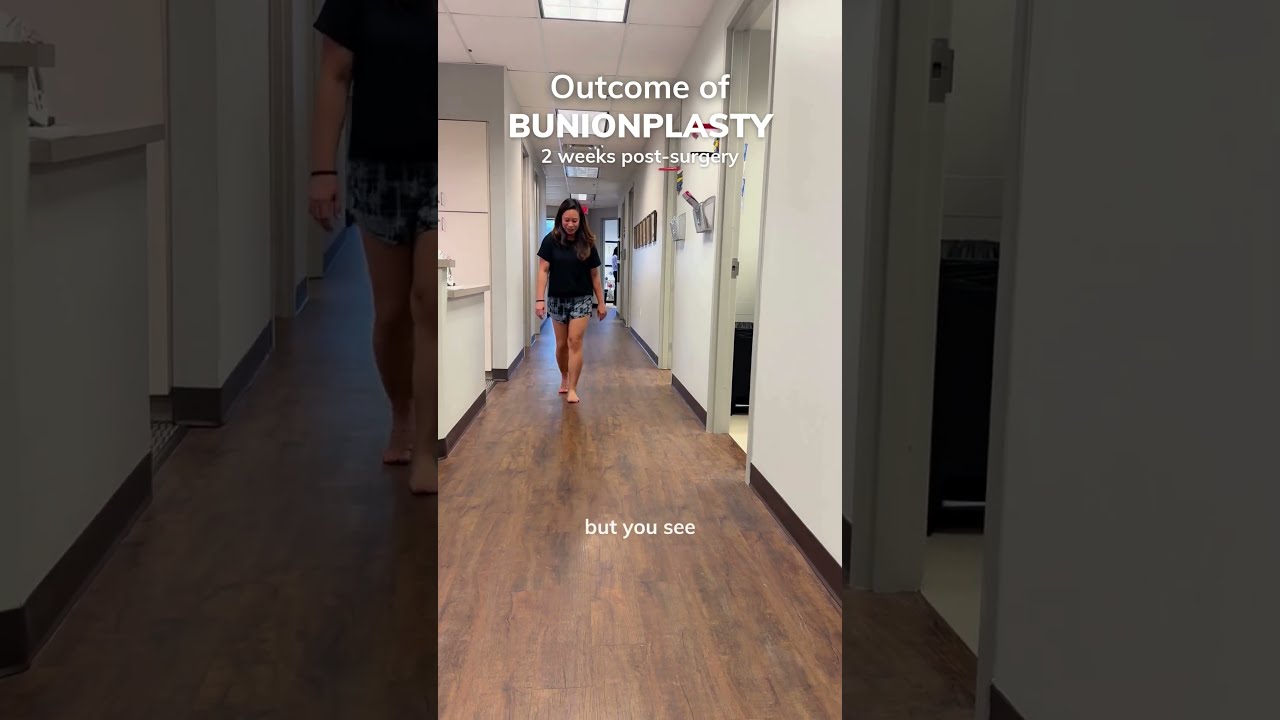
We planned a calcaneal medial slide, an Evans lengthening with wedge graft, spring ligament reinforcement, and flexor digitorum longus transfer. Her first steps in a controlled ankle boot began in two weeks with partial weight bearing. By three months, she was in supportive shoes with a mild orthotic. At six months, she walked eight miles without pain. At one year, she told me that stairs no longer felt like a battle. The key was matching the bony and soft tissue correction to her specific pattern, then respecting biology throughout rehab.
The quiet variables that drive outcomes
Two feet with the same X-ray can behave differently because patients bring different bodies to surgery. Body mass index matters, not in a moral sense, but in sheer force. A higher BMI means more load on the reconstruction. I counsel these patients about realistic expectations and the importance of durable bony correction. Bone quality affects fixation choices. Smoking status reliably slows healing and raises wound complication risks. Diabetes, especially with neuropathy, changes the calculus; we err toward sturdier constructs and vigilant protection.
Rehabilitation also drives results. The foot needs time to let bone consolidate and tendons adapt. I often maintain non-weight bearing for 2 to 6 weeks depending on the procedures performed, then transition to progressive weight bearing in a boot. By 10 to 12 weeks, most patients move into supportive shoes. Strengthening and proprioception work follows. The specialty titles vary, but whether you see a sports podiatrist, a foot and ankle care expert, or a podiatric care physician, aligned messaging between surgeon, therapist, and patient is critical.
Pain control and wound care after reconstruction
A modern multimodal strategy reduces opioids. I combine regional anesthesia when appropriate with acetaminophen, an NSAID if the patient tolerates it, and occasional short-course opioids for breakthrough pain in the first few days. Elevation matters more than any pill. A properly elevated leg above heart level reduces throbbing and protects the incision.
Wound care is routine but nontrivial. Incisions around the inside of the foot see swelling and tension. A clean, dry dressing and short splint with the ankle neutral protect tendon transfers and ligament repairs. Patients should watch for blistering or drainage and call early if they are unsure. Good communication prevents most small issues from becoming big ones.
Is surgery right for you?
Three questions frame the decision. First, have conservative measures been given a real trial, with strong footwear, a supportive orthosis, and therapy targeted to posterior tibial tendon function? Second, is pain or functional loss limiting daily life in a way that you are unwilling to accept long term? Third, do exam and imaging suggest a reconstructable, flexible deformity, or is a stable fusion more likely to meet your goals?
A board certified foot and ankle surgeon, whether a podiatric reconstructive surgeon or an orthopedic foot and ankle surgeon, should answer these questions in plain language and map out options with likely timelines and trade-offs. If you do not hear a plan that accounts for heel position, medial column stability, and tendon function together, ask more questions. Flatfoot is three-dimensional, and the plan should be too.
Realistic timelines and milestones
Recovery is measured in months, not weeks. That does not mean you are housebound for half a year, but it does mean patience pays dividends.
- Weeks 0 to 2, rest, elevation, and protection in a splint or cast. Keep weight off unless directed otherwise. Weeks 2 to 6, typically a boot with partial to progressive weight bearing depending on procedures. Gentle range of motion if permitted. Weeks 6 to 12, transition to full weight in a boot, then a supportive shoe. Begin structured strengthening and balance work. Months 3 to 6, build endurance, refine gait mechanics, reintroduce hills and variable surfaces. Months 6 to 12, return to higher-demand activities. Residual stiffness and swelling continue to improve.
These ranges reflect the aggregate experience of many foot and ankle care providers. Specifics differ for a triple arthrodesis or a more limited osteotomy. The broader point is that each phase has a purpose. Rushing early weight bearing after a lateral column lengthening, for example, risks graft subsidence. Being overly timid with strengthening can delay the return of normal push-off. A foot and ankle rehabilitation doctor or skilled therapist helps strike the right balance.
Complications, trade-offs, and how to lower risk
Complications in flatfoot reconstruction cluster around wound healing, nerve irritation, nonunion of osteotomies or fusions, and under- or overcorrection. Most are uncommon, but every surgeon who has done enough of these procedures has managed them. Good preoperative planning and precise intraoperative alignment reduce risk. I verify heel alignment under simulated load and check forefoot position after hindfoot correction to decide whether a medial column procedure is truly required.
The trade-offs deserve plain words. Reconstruction that preserves motion sometimes leaves mild stiffness or requires orthotic support during heavy activity. Fusion that eliminates pain and instability changes how the foot accommodates uneven ground. Patients who return to work on their feet all day may need a gradual ramp-up and supportive footwear indefinitely. None of this is failure. It is the price of a stable, functional foot after years of progressive deformity.
Sports, work, and the path back
Athletes and active workers ask me about timelines. For recreational hikers and runners, flatfoot reconstruction can return them to meaningful activity, but I encourage cross-training, cycling, and pool work during the middle months. Cutting sports are possible after flexible reconstructions in selected patients, yet expectations should be tempered. For trades that require ladders and uneven surfaces, fusion may actually be the more predictable route to pain-free function. A sports injury foot and ankle specialist can help shape sport-specific milestones and drills to rebuild strength and confidence.
How to choose your surgeon
Credentials matter, but fit matters too. Look for a foot and ankle reconstruction specialist, whether a podiatric physician or an orthopedic foot and ankle surgeon, who performs these operations regularly and can show you pre and postoperative radiographs that match your situation. Ask how they decide between a heel slide and lateral column lengthening. Ask how often they add medial column fusion and how they assess the spring ligament. The best foot and ankle consultant will welcome these questions and walk you through scenarios, including what they do when a tendon is too degenerated to repair.
Volume is not everything, but it correlates with pattern recognition and intraoperative judgment. A podiatric orthopedic specialist or orthopedic podiatrist who can explain the logic behind each step usually has a method that adapts to your anatomy rather than forcing you into a template.
The small habits that protect your result
Flatfoot is not just an operation. It is a way of moving and supporting yourself. After surgery, I coach patients on shoe selection, avoid soft, unsupportive slip-ons for long days. Keep calf flexibility, it protects the forefoot. Maintain a healthy weight if possible, it preserves correction. Use orthotics for high-demand days even if you do not need them daily. Simple things, but over years they add up.
If you are managing a flexible flatfoot without surgery, the same principles apply. Consistent strength training for the posterior tibial and peroneal balance, stable shoes, and strategic rest after long days. A foot care specialist or ankle doctor who knows your patterns can refresh your plan as your needs change.
A brief word on imaging follow-up and long-term care
After reconstruction, I obtain interval weight-bearing radiographs to confirm consolidation and alignment, usually at 6 to 8 weeks, and again around 3 months. If a lateral column lengthening was used, I pay close attention to graft incorporation. Patients with fusion receive imaging until bridging is clear. Beyond that, I focus on function: stride length symmetry, midstance stability, and pain-free push-off.
Long term, a yearly check-in with a Helpful resources foot and ankle expert is reasonable for high-demand patients or those with systemic risk factors. For others, return if symptoms change. A reconstructed foot can serve well for decades if cared for wisely.
Final thoughts from the clinic hallway
Flatfoot challenges both patients and surgeons because it is not just a bone problem or a tendon problem. It is a system problem. The best outcomes come from a complete diagnosis, an honest conversation about goals, and a reconstruction that respects how the foot must live in the real world. Whether your path is guided by a podiatric foot and ankle surgeon, an orthopedic foot surgeon, or a foot and ankle orthopedist, insist on a plan that aligns heel, supports the medial column, and restores tendon balance. Then give yourself the time and discipline to heal well. The reward is simple and profound, walking without thinking about every step.